
Ethereum Betting and EIP-1559: What the Fee Burn Means for Your Deposits
 Available in US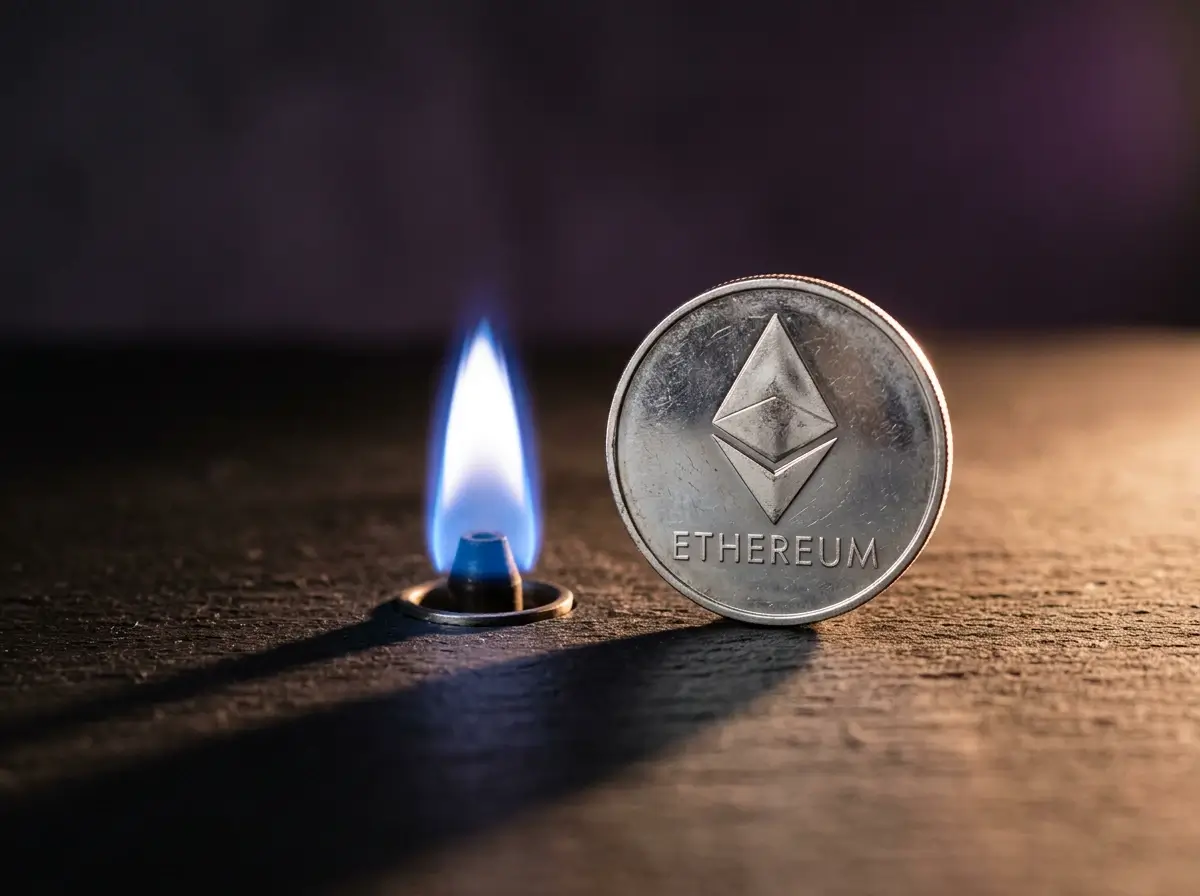
Ethereum Burns Part of Every Transaction Fee – Including Yours
Every time you deposit ETH at a sportsbook, a small portion of your transaction fee is destroyed. Not sent to a miner, not recycled into the network – permanently removed from existence. By May 2025, the EIP-1559 burn mechanism had destroyed approximately 2.7 million ETH, worth around $5.4 billion at the time. Your betting deposit contributed a fraction of a fraction to that total. It is a tiny amount per transaction, but the cumulative effect reshapes Ethereum’s economics in ways that matter for anyone holding ETH as a betting bankroll.
EIP-1559, activated in August 2021, overhauled how Ethereum calculates transaction fees. Before it, gas fees were an opaque auction where users bid blindly and often overpaid. After it, fees became predictable, transparent, and partially deflationary. The average gas price in April 2026 sits at 0.052 Gwei – down from 1.67 Gwei a year earlier. For bettors, this means cheaper deposits, more predictable costs, and a subtle long-term tailwind on the value of the ETH sitting in your wallet.
How EIP-1559 Changed the Gas Fee Structure
Before EIP-1559, Ethereum used a first-price auction for gas. You set a gas price, and validators picked the highest-paying transactions first. The result was volatile, unpredictable fees where you either overpaid to ensure inclusion or underpaid and waited. During network spikes, fees would jump tenfold in minutes with no warning.
EIP-1559 replaced this with a two-part fee structure: a base fee and a priority fee (tip). The base fee is set algorithmically by the network based on block fullness. If the previous block was more than 50% full, the base fee increases. If it was less than 50% full, the base fee decreases. This creates a predictable, self-adjusting price that tracks demand in near real-time.
The priority fee is a voluntary tip you add to incentivise validators to include your transaction sooner. During normal conditions, a minimal tip – 0.1 to 1 Gwei – is sufficient. During extreme congestion, a higher tip jumps the queue. But the base fee is the dominant cost component, and its algorithmic nature means you can estimate your gas cost before submitting the transaction with reasonable accuracy.
The critical innovation: the base fee is burned. It is not paid to validators. It is destroyed – permanently removed from ETH’s circulating supply. Only the priority tip goes to the validator. This creates a direct link between network usage and ETH scarcity. More transactions mean more burns, which reduces supply. In periods of high activity, Ethereum can become net deflationary – more ETH is burned than created through staking rewards.
The April 2026 average gas price of 0.052 Gwei reflects a relatively low-activity period on mainnet, with most transaction volume having migrated to Layer 2 networks. But the mechanism remains active: every mainnet transaction, including every sportsbook deposit made on the base layer, contributes to the burn.
Fee Predictability: Why Bettors No Longer Overpay for Gas
I used to set my gas price by checking a third-party tracker, guessing a number slightly above the current average, and hoping it was enough. About one in five transactions would get stuck in the mempool because I guessed too low. EIP-1559 eliminated that guesswork almost entirely.
Modern wallets like MetaMask now display the current base fee and suggest a priority tip based on network conditions. You see the estimated cost before confirming, and that estimate is accurate within a narrow range. The algorithmic base fee adjusts block-by-block, so even during moderate congestion, the fee moves predictably rather than spiking erratically.
For bettors, predictability translates to confidence. When you initiate a deposit, you know within cents what the transaction will cost. Average gas fees on Ethereum mainnet sat at $0.16 to $0.22 in March 2026 – a concrete, plannable expense. Nic Carter of Castle Island Ventures pointed out that the rise of L2 networks offers a pragmatic solution for users who were previously excluded by high mainnet costs. EIP-1559’s predictability on mainnet, combined with L2’s near-zero fees, has created a two-tier system where both layers are usable – something that was far from guaranteed two years ago.
The one scenario where predictability breaks down is during extreme demand spikes. If a highly anticipated token launch or network event fills blocks to capacity, the base fee escalates rapidly – it can increase by up to 12.5% per block. These spikes are visible in real time through gas trackers, giving you the option to wait 10 to 15 minutes for the spike to subside. For routine sportsbook deposits, timing your transaction outside of these rare spikes is straightforward.
ETH Deflation and Long-Term Bankroll Implications
The burn mechanism has a subtle but real effect on ETH holders, including bettors who maintain an ETH-denominated bankroll over time.
When more ETH is burned than created through staking rewards, the total supply decreases – making each remaining ETH fractionally more scarce. This is not guaranteed to increase the price (price depends on demand as well as supply), but it creates a structural tailwind that fiat currencies and most other cryptocurrencies do not have. Over 35.8 million ETH is currently staked, generating approximately 2.84% annual yield for validators, and the burn rate at current activity levels roughly offsets new issuance.
For a bettor holding 5 ETH as a long-term bankroll, the deflationary effect is negligible over weeks but measurable over years. If the burn consistently exceeds issuance – which requires sustained high network activity – the purchasing power of that 5 ETH gradually increases in ETH-denominated terms, independent of market price movements.
The practical implication is not to change your betting behaviour based on EIP-1559. It is to understand that ETH has a different monetary policy from Bitcoin (fixed supply, no burn) and from fiat currencies (inflationary). If you are choosing between holding your betting bankroll in ETH versus converting to stablecoins, the deflationary mechanism is one factor – alongside volatility, liquidity, and your personal risk tolerance – worth considering. For a detailed breakdown of how gas fee costs compare between mainnet and Layer 2 networks for betting transactions, the gas fees guide puts these numbers in the context of actual deposit and withdrawal costs.
Does EIP-1559 make ETH betting transaction fees more predictable?
Yes. Before EIP-1559, gas fees were set through an unpredictable auction mechanism. EIP-1559 introduced an algorithmic base fee that adjusts based on network demand, making costs visible and estimable before you confirm a transaction. Modern wallets display the expected fee with reasonable accuracy. Sudden spikes can still occur during extreme congestion, but they are visible in real time and subside within minutes.
How much ETH has been burned by the fee mechanism?
By May 2025, approximately 2.7 million ETH had been burned through EIP-1559, worth around $5.4 billion at the time. The burn continues with every mainnet transaction. The rate varies with network activity – high-usage periods burn more ETH, while low-activity periods burn less. Layer 2 transactions do not directly contribute to mainnet burns, though L2 settlement transactions on mainnet do.
Does ETH deflation affect the value of my betting balance over time?
The burn mechanism reduces ETH’s circulating supply, which creates a structural scarcity effect. If burns exceed new issuance from staking rewards, the total supply decreases, potentially increasing the value of each remaining ETH. For short-term betting balances held over days or weeks, the effect is negligible. For long-term ETH holdings, it is one factor among many that influences the asset’s value trajectory.