
Ethereum Layer 2 Betting Sites: Which Rollups Work with Sportsbooks
 Available in AU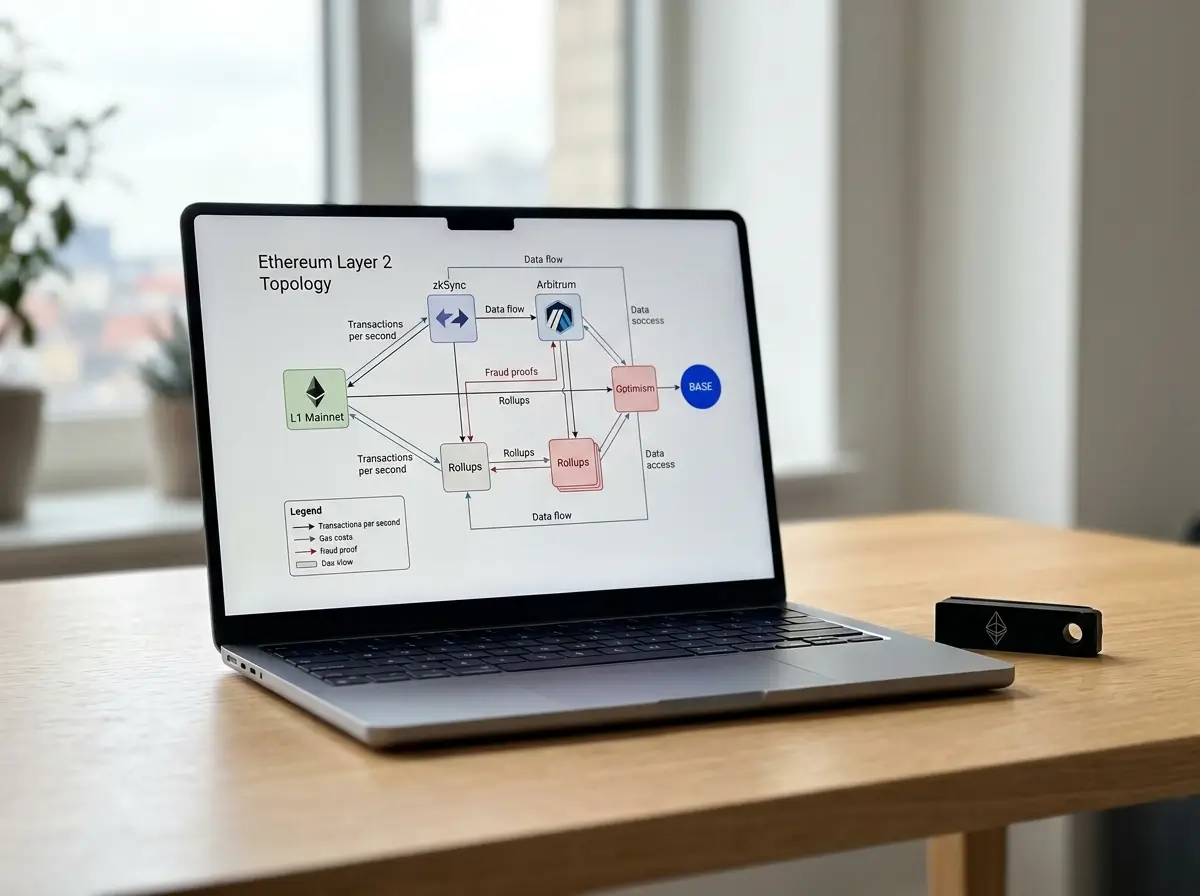
Layer 2 Networks Reach the Betting Market
Three years ago, I watched a punter lose more in gas fees than his actual bet was worth. He was placing a $15 wager on an ETH sportsbook during a network spike and paid $23 just to move the funds. That single moment crystallised why Layer 2 networks matter for betting – they turn an expensive, clunky deposit into something that costs less than a cent.
Layer 2 networks sit on top of Ethereum’s mainnet and handle transactions off the primary chain before settling them back. The result is dramatic: L2 solutions now process roughly 95% of all Ethereum transaction volume, and they have slashed effective gas costs by 97 to 99% compared to mainnet. For bettors, that means a deposit that might cost $0.18 on mainnet drops to under $0.01 on Arbitrum or Optimism.
The betting industry has been slow to catch up with this shift, but 2026 is the year that changed. Several crypto-native sportsbooks now accept deposits directly on Layer 2 chains, and the ones that don’t are starting to feel the pressure from users who refuse to overpay for a simple transfer. With Layer 2 networks handling around 2 million transactions daily – roughly double the mainnet volume – the infrastructure is no longer experimental. It is the default way serious ETH users move value.
This guide breaks down which rollup types work for betting, which platforms actually accept L2 deposits, and how to bridge your ETH before placing a wager. If you are still depositing on mainnet, you are paying a tax that no longer needs to exist.
Optimistic vs ZK Rollups for Betting Transactions
Not all Layer 2 networks work the same way, and the difference matters when your money is sitting in a rollup waiting for a sportsbook to credit it. The two main architectures – optimistic rollups and ZK rollups – take fundamentally different approaches to proving that transactions are valid.
Optimistic rollups, used by Arbitrum and Optimism, assume transactions are legitimate unless someone challenges them. The trade-off is a dispute window: if you want to withdraw funds back to mainnet, you typically wait seven days for that challenge period to expire. For deposits into a sportsbook, though, this delay rarely matters. The sportsbook receives your L2 deposit almost instantly, and you only hit the seven-day wait if you are bridging back to mainnet yourself.
ZK rollups, powering networks like zkSync and Polygon zkEVM, use cryptographic proofs to verify every transaction batch before posting it to mainnet. No challenge period, no trust assumptions – the maths proves validity. Withdrawals to mainnet are faster, usually a few hours rather than a week. The downside in 2026 is ecosystem maturity: fewer sportsbooks have integrated ZK rollup deposits compared to Arbitrum or Optimism, simply because the optimistic rollup ecosystem had a multi-year head start.
For a bettor choosing between them, the practical question is simple. Arbitrum has the widest sportsbook compatibility right now. If your platform supports it, use it – you will pay fractions of a cent per transaction and deposits confirm in seconds. If you value faster mainnet withdrawals and your sportsbook supports a ZK chain, that is a legitimate alternative. But do not choose a rollup first and then hunt for a compatible sportsbook. Find the sportsbook, then check which L2 networks it accepts.
One technical note worth understanding: both rollup types inherit Ethereum’s security guarantees. Your funds on Arbitrum or zkSync are ultimately secured by Ethereum mainnet validators. The Ethereum Foundation’s own research confirmed that L2 solutions reduced effective gas costs by 97 to 99% without compromising this security inheritance – a point that matters when you are trusting a network with your betting bankroll.
Which Sportsbooks Accept Layer 2 Deposits
I spent a frustrating week in early 2026 testing deposit flows across a dozen crypto sportsbooks, and the results were uneven. The honest answer is that Layer 2 acceptance is growing but far from universal. Most crypto-native platforms – the ones built specifically around blockchain payments – have added at least one L2 option. Traditional sportsbooks that bolted on crypto support as an afterthought tend to still require mainnet ETH or a wrapped ERC-20 token.
Arbitrum leads in sportsbook integrations. Its transaction volume, developer tooling, and DeFi ecosystem made it the natural first choice for platforms expanding beyond mainnet. Optimism sits in second place, with a smaller but growing list of compatible betting sites. Polygon, which technically operates as a sidechain rather than a pure rollup, has broader adoption in the casino and slots space than in sports betting specifically.
The catch is that “accepting Layer 2 deposits” does not always mean the same thing. Some sportsbooks let you deposit directly from your L2 wallet – you connect MetaMask set to the Arbitrum network and send funds straight in. Others require you to use their own bridging interface, which adds a step but at least handles the routing for you. A third category lists L2 support on their features page but actually converts your deposit through a third-party bridge behind the scenes, sometimes charging a hidden spread on the conversion.
Before depositing, always verify two things: which specific L2 network the sportsbook supports, and whether the deposit address is a native L2 address or a mainnet address that auto-bridges. Sending Arbitrum ETH to a mainnet-only deposit address will not result in a lost transaction – the networks are separate chains – but it will leave your funds stuck until you notice the mistake and retrieve them manually.
Bridging ETH to Layer 2 Before Placing a Bet
Bridging ETH from mainnet to a Layer 2 is the one-time setup cost that pays for itself on every subsequent deposit. The process is straightforward, but a wrong step here can delay your funds by hours or cost you unnecessary fees.
Start with your ETH on mainnet in a wallet like MetaMask. Navigate to the official bridge for your chosen L2 – Arbitrum’s bridge lives at bridge.arbitrum.io, Optimism’s at app.optimism.io/bridge. Connect your wallet, enter the amount, and confirm the transaction. You will pay a mainnet gas fee for this bridging transaction, typically $0.16 to $0.22 in March 2026 conditions. Once confirmed, your ETH appears on the L2 network, usually within 10 to 15 minutes for optimistic rollups.
After bridging, switch your wallet to the L2 network. In MetaMask, this means adding the Arbitrum or Optimism network if you have not already, then selecting it from the network dropdown. Your bridged ETH balance will show up, and from here every transaction – deposits, token swaps, interactions with betting dApps – costs under a cent. Layer 2 networks charge less than $0.01 per transaction in normal conditions, compared to mainnet fees that can spike to $5 or even $50 during congestion.
A few practical tips from my own experience. Bridge more than you plan to bet immediately. The mainnet gas fee for bridging is the expensive part, so doing it once with a larger amount is cheaper than bridging small sums repeatedly. Also, avoid third-party bridges unless you have a specific reason – they add counterparty risk and sometimes charge a percentage fee on top of gas. The official bridges maintained by the L2 teams themselves are the safest option. If you want a deeper look at how these gas fees break down across networks, the numbers tell a compelling story about why L2 is worth the initial setup.
Layer 2 Betting Questions
Can I use Layer 2 networks for ETH betting?
Yes, a growing number of crypto sportsbooks accept deposits on Layer 2 networks like Arbitrum, Optimism, and Polygon. Arbitrum currently has the widest sportsbook compatibility. You need to bridge your ETH from mainnet to the L2 network first, then connect your wallet set to that network when depositing. Transaction fees on L2 are under $0.01, compared to $0.16 to $0.22 on mainnet.
Do I need to bridge ETH back to mainnet before withdrawing from a sportsbook?
It depends on the sportsbook. Some platforms withdraw directly to your L2 wallet, so you receive funds on Arbitrum or Optimism without touching mainnet. Others only process withdrawals to mainnet addresses. If you need to bridge back, optimistic rollups like Arbitrum have a seven-day challenge period for mainnet withdrawals, while ZK rollups typically process them within a few hours.
Which Layer 2 has the lowest fees for betting deposits?
All major Layer 2 networks charge under $0.01 per transaction in normal conditions, making the fee differences between them negligible for individual bettors. Arbitrum and Optimism are the most widely supported by sportsbooks. The real cost difference is between any L2 and mainnet – L2 fees are 97 to 99% lower than mainnet fees.
The wider context sits in our Ethereum betting guide.
Rollups exist precisely to cut gas fees.