
Ethereum Stablecoin Betting: How USDT and USDC Remove Volatility Risk
 Available in AU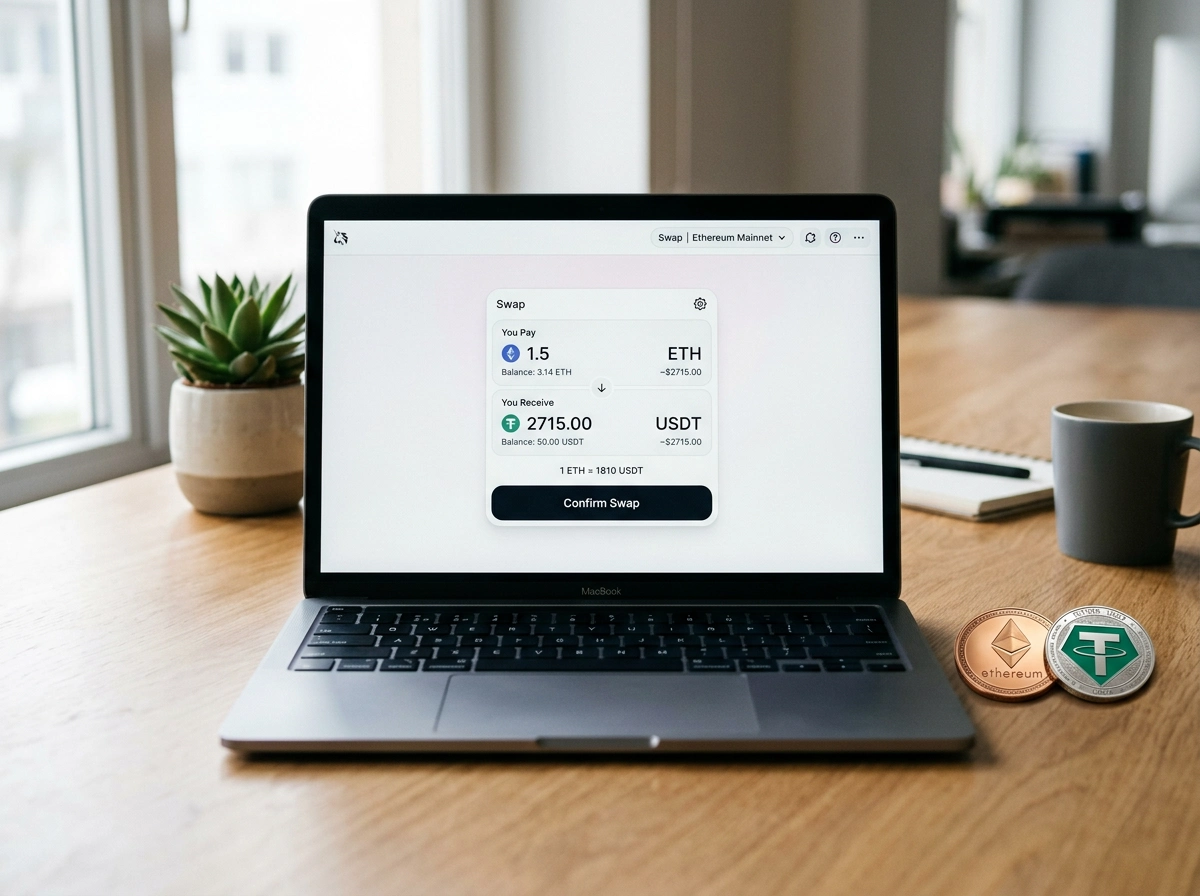
The Coin That Doesn’t Move Is the One Bettors Choose Most
I won a $400 parlay last year and lost money on it. Not because the bet failed – it hit perfectly. But ETH dropped 11% between the time I deposited and the time I withdrew my winnings, and the AUD value of my total balance ended up lower than where I started. That is the moment I understood why stablecoins now dominate crypto betting.
The numbers are stark. Stablecoins – primarily USDT and USDC – account for over 70% of all crypto betting transactions in 2026. Bitcoin’s dominance in crypto gambling has been sliding steadily, dropping from 88% to 77% of volume over 2025 alone, while Tether surged to fill the gap. Ethereum sits at about 9% of crypto gambling volume, a distant third. The market has spoken: when bettors choose a crypto payment method, most choose the one that holds its value.
This does not mean ETH is irrelevant to stablecoin betting. USDT and USDC are ERC-20 tokens – they run on the Ethereum network. When you deposit USDT at a sportsbook, you are using Ethereum’s infrastructure even though your balance is denominated in US dollars. The blockchain handles the transfer; the stablecoin peg handles the volatility. It is the best of both worlds, and understanding how to use it properly gives you a structural advantage over bettors who treat ETH deposits as their only option.
How Stablecoins Operate on Ethereum
A stablecoin is a token pegged to the value of a fiat currency – typically the US dollar. USDT (Tether) and USDC (Circle) both maintain a 1:1 peg by holding reserves of cash and cash-equivalent assets. When you hold 1,000 USDT in your MetaMask wallet, its value stays at approximately US$1,000 regardless of what ETH, BTC, or any other crypto does that day.
These tokens live on multiple blockchains, but their largest supply and most active trading volume sits on Ethereum. When you send USDT from your wallet to a sportsbook on Ethereum mainnet, you pay a gas fee in ETH – not in USDT. This is a critical detail that catches new users off guard: you need to hold a small amount of ETH in your wallet to pay the transaction fee, even though the transfer itself is in stablecoins.
The gas cost for an ERC-20 token transfer is slightly higher than a simple ETH transfer because the transaction involves interacting with the token’s smart contract. On mainnet, expect to pay around $0.30 to $0.50 for a USDT transfer in typical 2026 conditions. On Layer 2 networks like Arbitrum, that same transfer costs under $0.01. This is why experienced stablecoin bettors increasingly use L2 versions of USDT and USDC – same peg, same stability, a fraction of the cost.
USDT vs USDC for Betting: Differences That Matter
BVNK’s 2024 research into emerging-market crypto adoption made a point that applies directly to betting: users adopt crypto not for speculation but for economic necessity, turning platforms into de-facto digital banking services. Stablecoins are the clearest expression of that shift – bettors use them to remove speculation from the equation entirely.
But USDT and USDC are not interchangeable, and the differences matter for betting specifically.
USDT has massively larger trading volume, wider sportsbook acceptance, and deeper liquidity on exchanges. If your sportsbook accepts one stablecoin, it almost certainly accepts USDT. The counterargument is transparency: Tether’s reserve disclosures have historically been less detailed than Circle’s, and the company has faced regulatory scrutiny over the composition of its backing assets. For a bettor holding USDT for days rather than months, the practical risk of a depeg event is low but not zero.
USDC has stronger regulatory positioning. Circle is a US-regulated entity that publishes monthly reserve attestations from a major accounting firm. USDC is favoured by institutional players and tends to recover faster during market stress events. The trade-off is narrower acceptance – fewer sportsbooks list USDC as a deposit option compared to USDT, and the AUD on-ramp (buying USDC from Australian exchanges) sometimes carries a wider spread.
For most Australian bettors, USDT is the pragmatic choice due to acceptance and liquidity. If you are holding a larger betting bankroll and value regulatory clarity, USDC offers a measurably more transparent reserve structure. Either way, both maintain their peg through the kind of short holding periods typical in betting – deposit today, bet this week, withdraw next week. The depeg risk that keeps DeFi analysts awake at night is a long-duration concern, not a weekend-wagering concern.
When to Convert ETH to Stablecoins Before Betting
The conversion decision comes down to one question: are you comfortable with your betting bankroll changing in AUD value while it sits as ETH? If not, convert to a stablecoin before depositing.
I convert to USDT whenever I am building a bankroll for a specific event – a major tournament, a full weekend slate of matches. The process takes about two minutes on any decentralised exchange: connect your wallet, swap ETH for USDT, and the tokens appear in the same wallet. Gas fees for a swap on mainnet run about $1 to $3 depending on DEX router complexity, but on Arbitrum or Optimism the same swap costs cents.
The timing matters. Converting ETH to USDT when ETH is at a local high locks in a favourable rate. Converting during a dip means you are selling low and locking in a loss relative to where ETH might recover. If you have a view on ETH’s short-term direction, that view should influence when you convert – but if you are converting specifically to remove volatility from your betting, then the current price is the right price by definition, because you are optimising for stability, not speculation.
One scenario where keeping native ETH makes sense: if the sportsbook settles bets in ETH and you believe ETH will appreciate during the settlement period, your winning bets gain value beyond the odds. This is a speculative overlay that some bettors deliberately seek out – essentially going long on ETH while simultaneously betting on sports. It is a valid strategy, but it should be conscious and sized appropriately, not an accidental byproduct of not knowing stablecoins exist. The comparative analysis of ETH versus BTC for betting covers how both volatile assets behave differently in a betting context, which helps frame whether stablecoin conversion is right for your approach.
Stablecoin Betting Questions
Can I deposit USDT on Ethereum Layer 2 at a sportsbook?
Yes, if the sportsbook supports Layer 2 deposits. USDT and USDC exist on Arbitrum, Optimism, and Polygon, and sportsbooks that accept L2 ETH often also accept L2 stablecoins. The gas fee for a USDT transfer on Layer 2 is under $0.01, compared to $0.30 to $0.50 on mainnet. Check the sportsbook’s deposit page for supported networks before sending.
Do sportsbooks charge conversion fees for USDT deposits?
Most sportsbooks do not charge a fee for USDT deposits themselves, but some apply a spread when converting your USDT balance to their internal currency for betting. If the sportsbook operates in USDT natively – meaning your bets and balance are denominated in USDT – there is no conversion and no spread. Platforms that convert to USD or another internal unit may take 0.5% to 2% on the exchange.
Is USDC safer than USDT for betting balances?
USDC has stronger regulatory oversight and more transparent reserve attestations, making it arguably safer for long-term holding. For short-term betting balances held over days or weeks, the practical difference in peg stability is minimal. USDT has wider sportsbook acceptance and deeper liquidity, making it easier to deposit and withdraw. The choice depends on whether you prioritise regulatory transparency or convenience.
The wider context sits in our Ethereum betting guide.
The reason is plain ETH volatility.